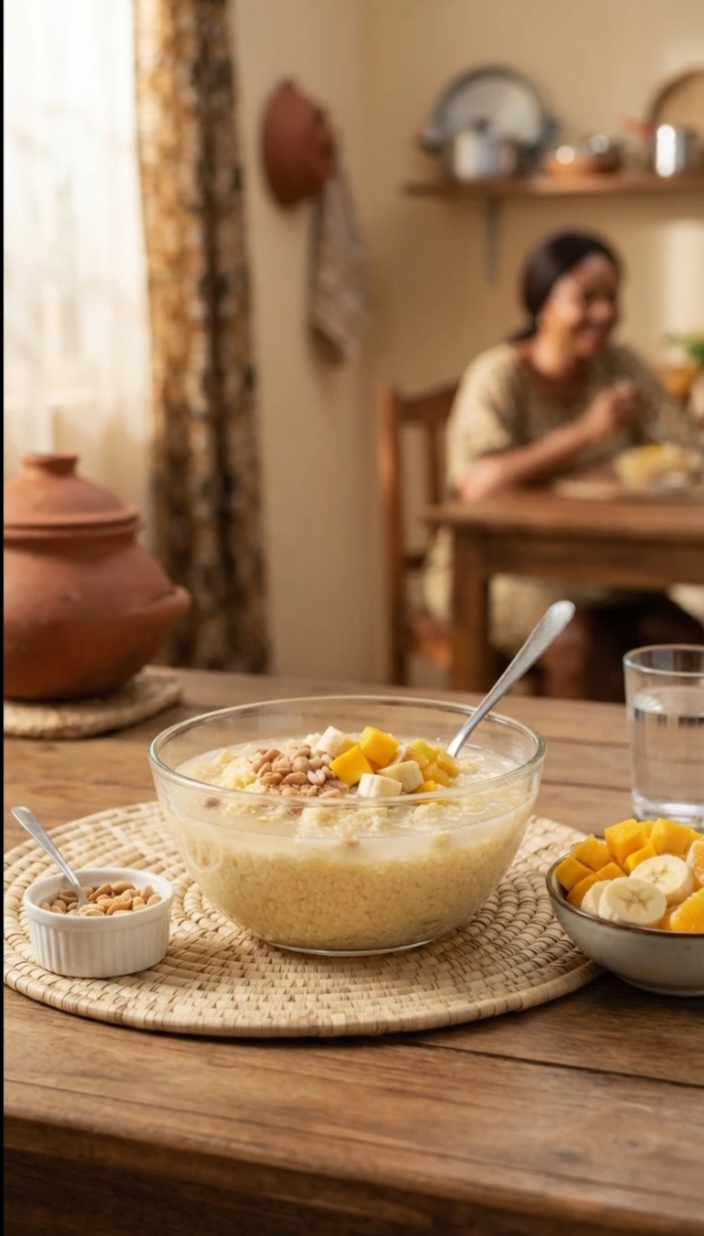
Can someone with Type 2 diabetes eat garri? Garri is one of the many foods Nigerians immediately worry about after being diagnosed with Type 2 diabetes. The answer is not simply yes or no. What matters is the portion, how it is prepared, and what you eat with it.
You may have heard:
“If you have diabetes, stop eating garri.”
But is that really the whole story?
Not quite.
Garri is made from cassava and is a carbohydrate-containing staple. The more useful question for someone living with Type 2 diabetes is not simply “Can I ever eat garri?” but how much, how often, what it is eaten with, and how it fits into the person’s overall eating plan. �
Let’s break it down.
First: What Exactly Is Garri?
Garri is a processed cassava product commonly eaten in Nigeria and other parts of West Africa.
It can be:
*Soaked in water
*Eaten with groundnuts or other additions
*Prepared with hot water as eba
*Served with soups and other foods
Cassava and its products are substantial sources of carbohydrate, so garri is not a food that should be treated as carbohydrate-free simply because it is a traditional Nigerian food
That brings us to the real issue.
Does Garri Automatically Cause a Blood-Sugar Problem?
Not in the simplistic way people often describe it.
The effect of a meal depends on several factors, including the amount of carbohydrate consumed and what else is included in the meal.
Diabetes meal-planning guidance commonly uses a simple plate approach: about half the plate for non-starchy vegetables, one-quarter for protein and one-quarter for carbohydrate-containing foods. It is a framework for building a balanced meal, not a universal prescription for every person.
So instead of asking:
“Is garri bad?”
ask:
“How does my portion of garri fit into this meal?”
That is a much better question.
The Biggest Issue May Be Portion Size
Consider two meals.
A very large portion of garri or eba, with little vegetable food and little protein.
Meal B
A more moderate portion of the carbohydrate-containing food, alongside vegetables and an appropriate protein source.
Both meals contain carbohydrate.
But they are not the same meal.
Portion awareness is therefore important when managing carbohydrate-containing foods. The CDC’s diabetes plate guidance recommends keeping carbohydrate foods to roughly one-quarter of the plate while making non-starchy vegetables the largest portion.
This does not mean everyone with diabetes must eat exactly this way. Your healthcare professional may give you different instructions based on your medication, glucose levels and other health needs.
What About Eba?
Eba is essentially one of the common ways Nigerians prepare garri.
The mistake is to focus only on the swallow and ignore the rest of the plate.
If you are eating eba, consider the entire meal:
What protein is included?
A vegetable-rich soup can contribute vegetables and other nutrients.
What protein is included?
For example, fish, eggs, poultry or another suitable protein source may form part of the meal.
How much eba are you eating?
The portion matters.
What are you drinking?
Water is generally a better everyday choice than sugar-sweetened drinks.
The goal isn’t to turn eba into a forbidden food.
The goal is to make the whole meal more balanced.
For broader guidance on healthy eating with diabetes, see the American Diabetes Association’s guidance on how to eat healthy with diabetes
What About Garri Soaked in Water?This is where another common
This is where another common mistake happens.
Someone may think:
“I’m only drinking soaked garri, so it doesn’t really count as a meal.”
It still contains carbohydrate.
What you add also matters.
For example, depending on the person’s overall eating plan, soaked garri might be taken with additions such as groundnuts or milk. But adding another food does not magically remove the carbohydrate in the garr
The important thing is to consider the whole meal and portion, rather than assuming one ingredient cancels another.
What Does Nigerian Research Tell Us?
There is some Nigerian research examining blood-glucose responses to different cassava/garri preparations.
One 2018 study examined post-meal blood-glucose responses in 40 healthy adults after they consumed different cassava treatments served with vegetable soup and fish. The study was conducted in people without diabetes, so its findings should not be used to prescribe a garri portion for someone with Type 2 diabetes
That’s an important distinction.
A study in healthy volunteers is not the same thing as evidence that a particular garri preparation will safely control blood glucose in people with diabetes.
So beware of anyone taking one small study and turning it into:
“This type of garri cures diabetes.”
That is not what the evidence shows.
Should You Completely Stop Eating Garri?
There is no universal rule in the evidence that every person with Type 2 diabetes must completely eliminate garri.
Diabetes meal planning is individualized.
Your appropriate carbohydrate intake can depend on factors such as:
*Your medication
*Whether you use insulin
*Your blood-glucose pattern
*Your activity level
*Other health conditions
*Your healthcare professional’s recommendations
This is why major diabetes nutrition guidance focuses on individualized eating patterns rather than declaring one universal diet for everyone
If your doctor or dietitian has specifically told you to restrict or modify a particular food, follow that advice.
5 Questions to Ask Before Eating Garri
Instead of simply asking “Can I eat garri?”, ask:
1. How much am I eating?
Portion matters.
2. What am I eating with it?
Think about the entire meal.
3. Where are my vegetables?
Try to include non-starchy vegetables where appropriate.
4. What is my protein source?
Consider the protein component of the meal.
5. What am I drinking?
Water is a sensible everyday default.
These questions are more useful than labelling garri simply “good” or “bad.”
What If You Love Garri?
You don’t have to approach diabetes management with fear.
Instead, learn your food.
Understand portions.
Look at the entire meal.
Pay attention to your blood-glucose readings if your healthcare professional has instructed you to monitor them.
And follow the individual plan you’ve been given.
The goal is not to make Nigerian food frightening.
The goal is to make your food decisions smarter.
The Bottom Line
Can someone with Type 2 diabetes eat garri?
There isn’t a single answer that applies to everybody.
Garri is a carbohydrate-containing food, so portion and overall meal composition matter. A practical approach is to consider the amount of garri, include appropriate protein and non-starchy vegetables where possible, and avoid relying on sugary drinks alongside the meal.
Most importantly, don’t stop prescribed diabetes medication or replace medical treatment with herbs, supplements or claims about miracle foods.
If you’re also noticing other changes in your health, you may find our guide, 10 Signs Your Body Is Asking for Help, useful.
Want to Understand Nigerian Food and Type 2 Diabetes Better?
Garri is only one part of the bigger food conversation.
What about:
*Eba?
*Amala
*Pounded yam?
*Rice?
*Beans?
*Yam?
*Plantain?
*Nigerian breakfasts?
*Sugar-free” foods?
We’ve put these questions together in our practical Health Guide:
The Raw Truth About Managing Type 2 Diabetes with Everyday Nigerian Foods
Medical Disclaimer
This article is for general health education and does not diagnose, treat or cure diabetes. It is not a substitute for individualized medical advice. Do not change or stop prescribed medication based on this article. If you have Type 2 diabetes, discuss major dietary changes with your doctor, diabetes educator or registered dietitian.
Naija Healthy Living — Practical health information for Nigerians and Africans.